Package Design: Stuffed Animals for Change
Cardboard, tape, glue
Kids love stuffed animals. Some kids have much more than they need. But how can a child’s love for their favorite stuffed animals be utilized for something beyond overconsumption? As one of those kids who grew up loving stuffed animals, I wanted to find a way to repackage our furry friends to help kids make the connection between and plush toy and the real life creature it represents. Kids care about their stuffed animals, so how can we get them to care about real animals too? And how can a kid’s love for animals help the animals suffering from things like habitat loss and climate change?
Story and Inspiration
As a kid, I loved my stuffed animals. All the way through high school, I had over 100 stuffed animals. At one point, I had a second bed in my room just for stuffed animals. I’d often treat them like they were real. I hated the idea of keeping them inside their packages, where they were tied down by zip ties or pierced by plastic tags. By buying the stuffed animals, taking them out of their package, and cutting off their tags, I was freeing them. I wanted to apply this concept to my package design. I began to think of the package as the plushie’s first home before being freed by the child who buys it. What do animals habitats look like in real life? The harsh reality is that many of these animals homes and ecosystems have been suffering greatly from climate change and pollution. Stuffed animals and real animals alike need to be saved from their plastic-filled environments.
I believe kids are smart, and capable of feeling care and empathy towards real animals the way they do with stuffed animals. They just need help making the connection between the two. FIN not only educates kids about the real-life counterparts to its products, but helps raise awareness to the crises they face in their current environments. FIN also helps kids take action against this. If made into a real company, I imagine FIN would donate its profits to organizations like WWF and Oceana, allowing kids to “save” their new furry friends in real life.
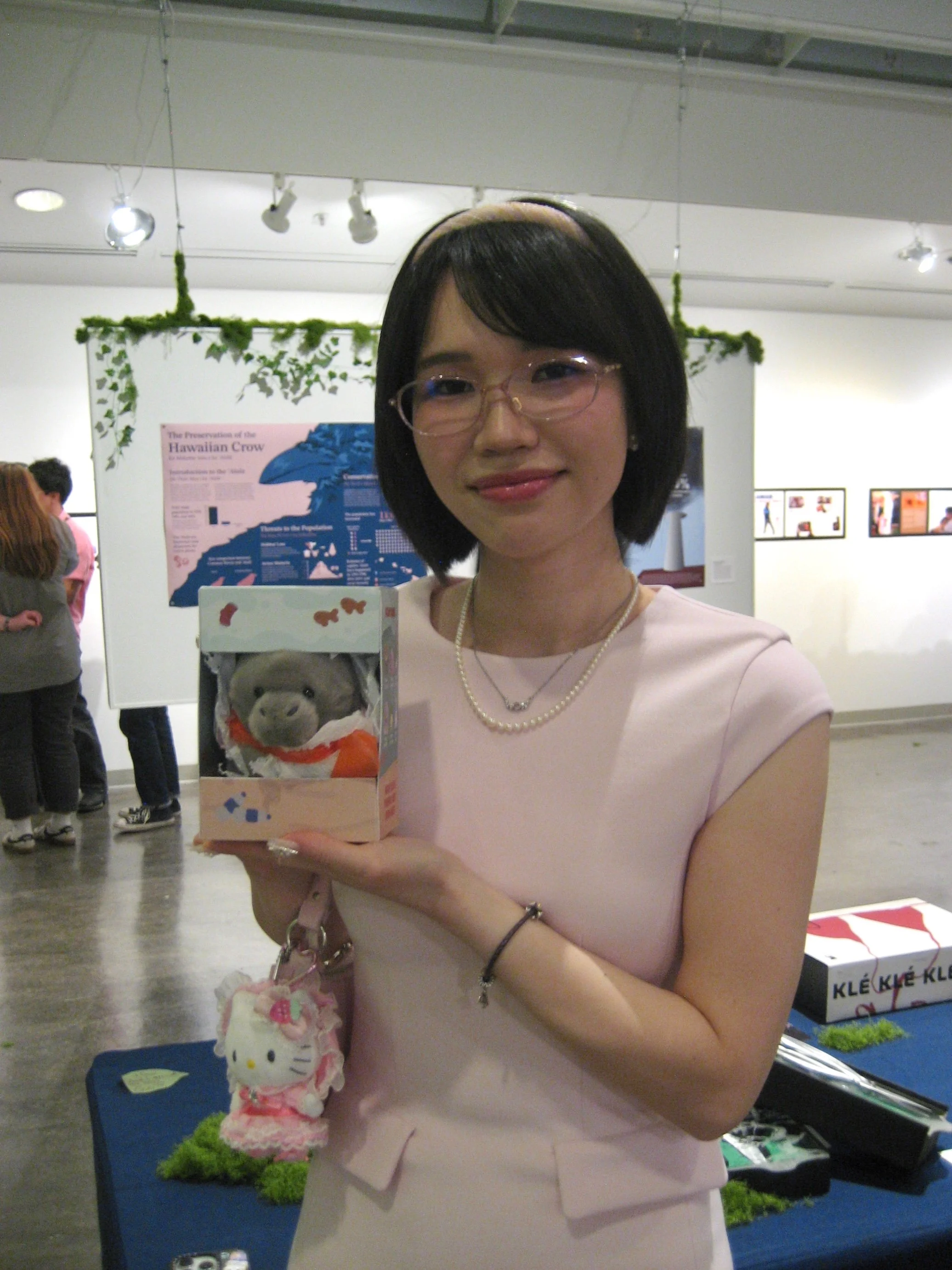
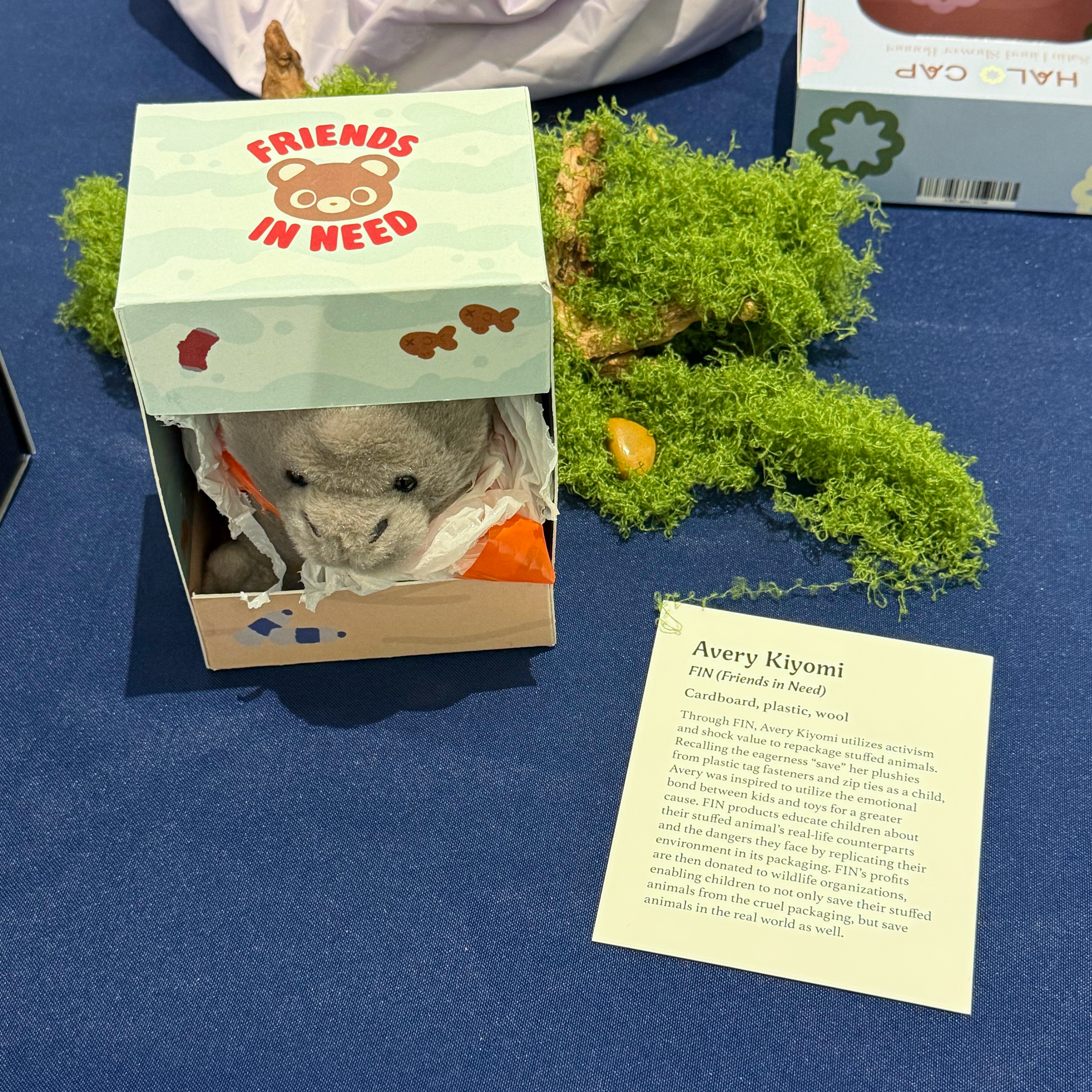
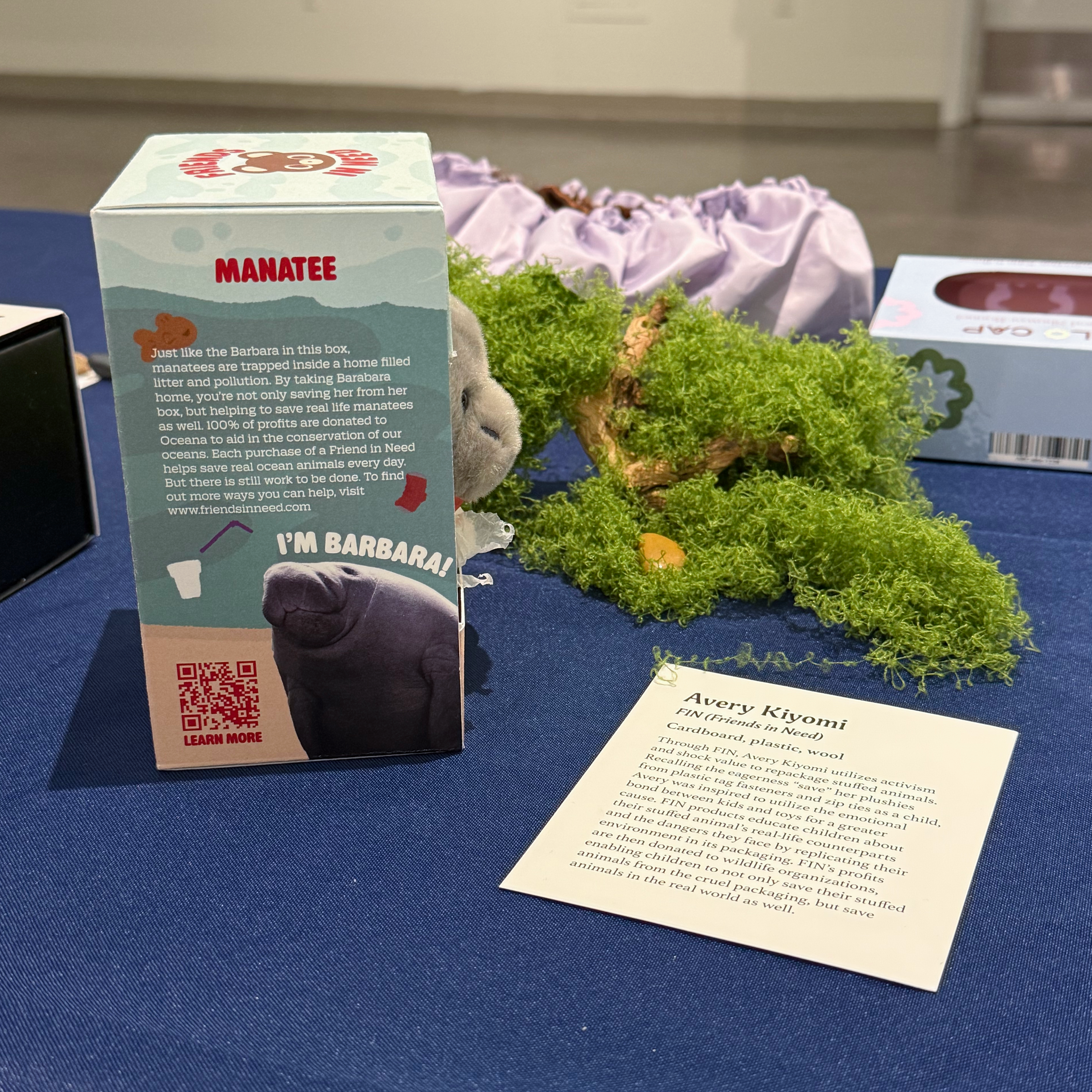
Final product at Seattle University 2026 Design Exhibition: Roots & Reflections
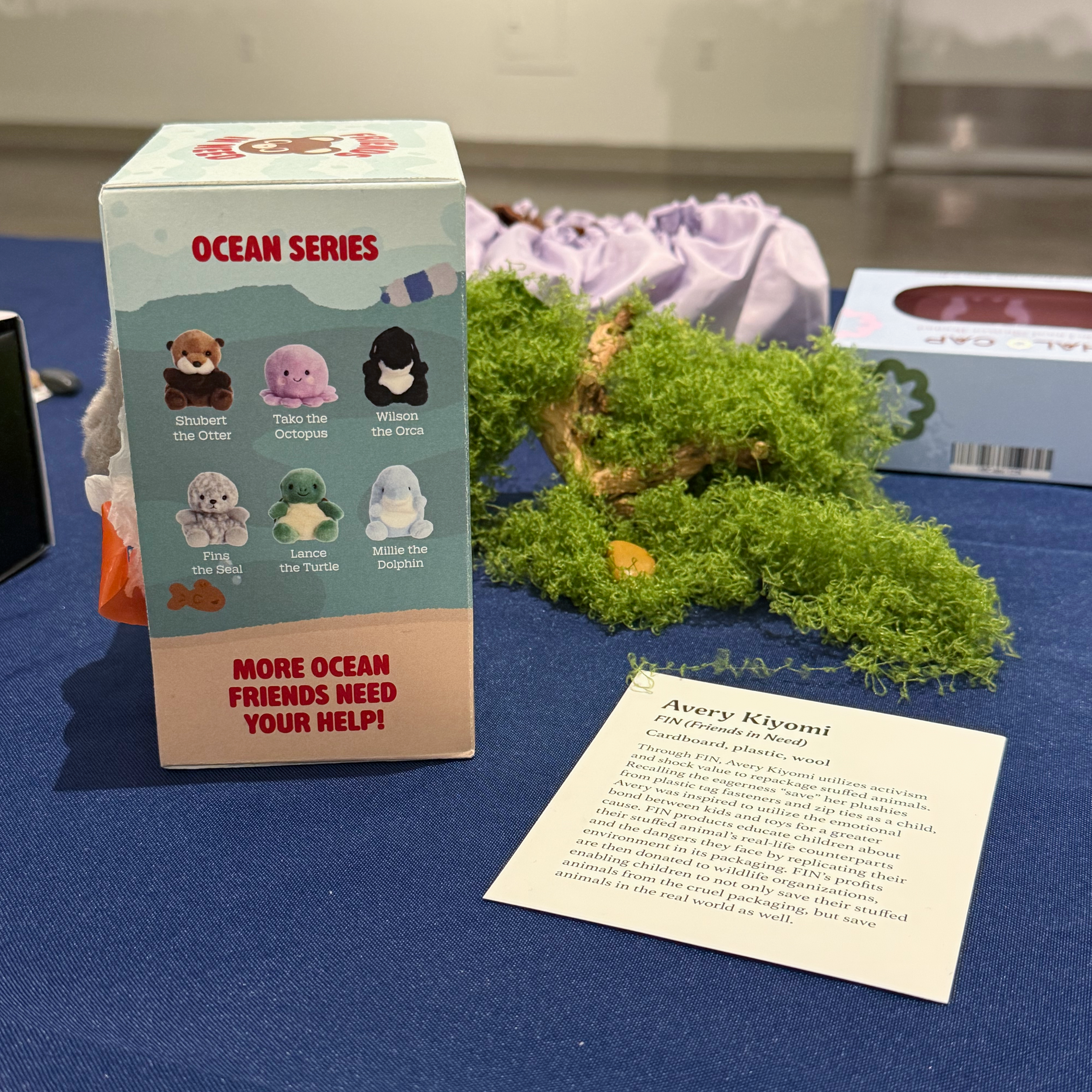
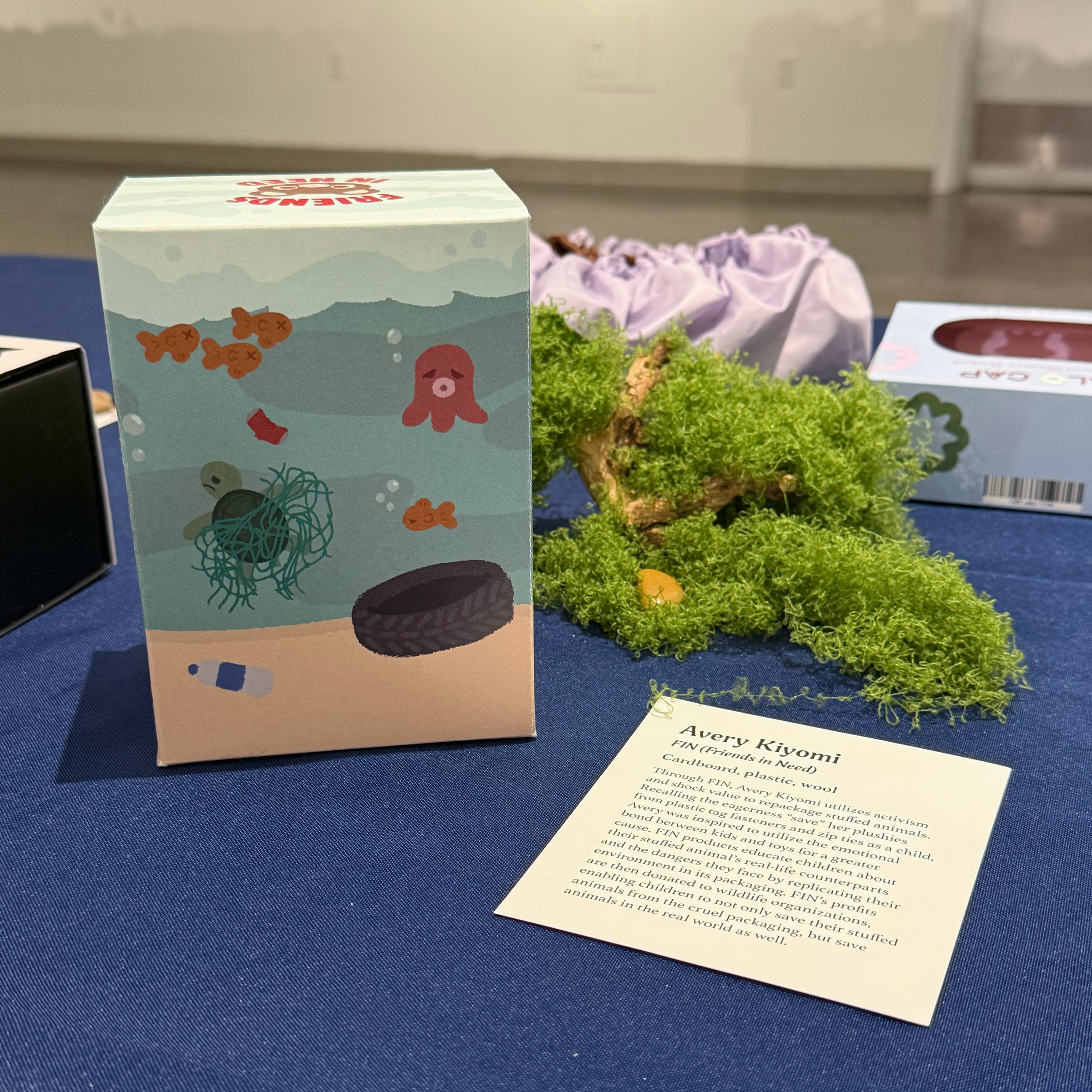
Details
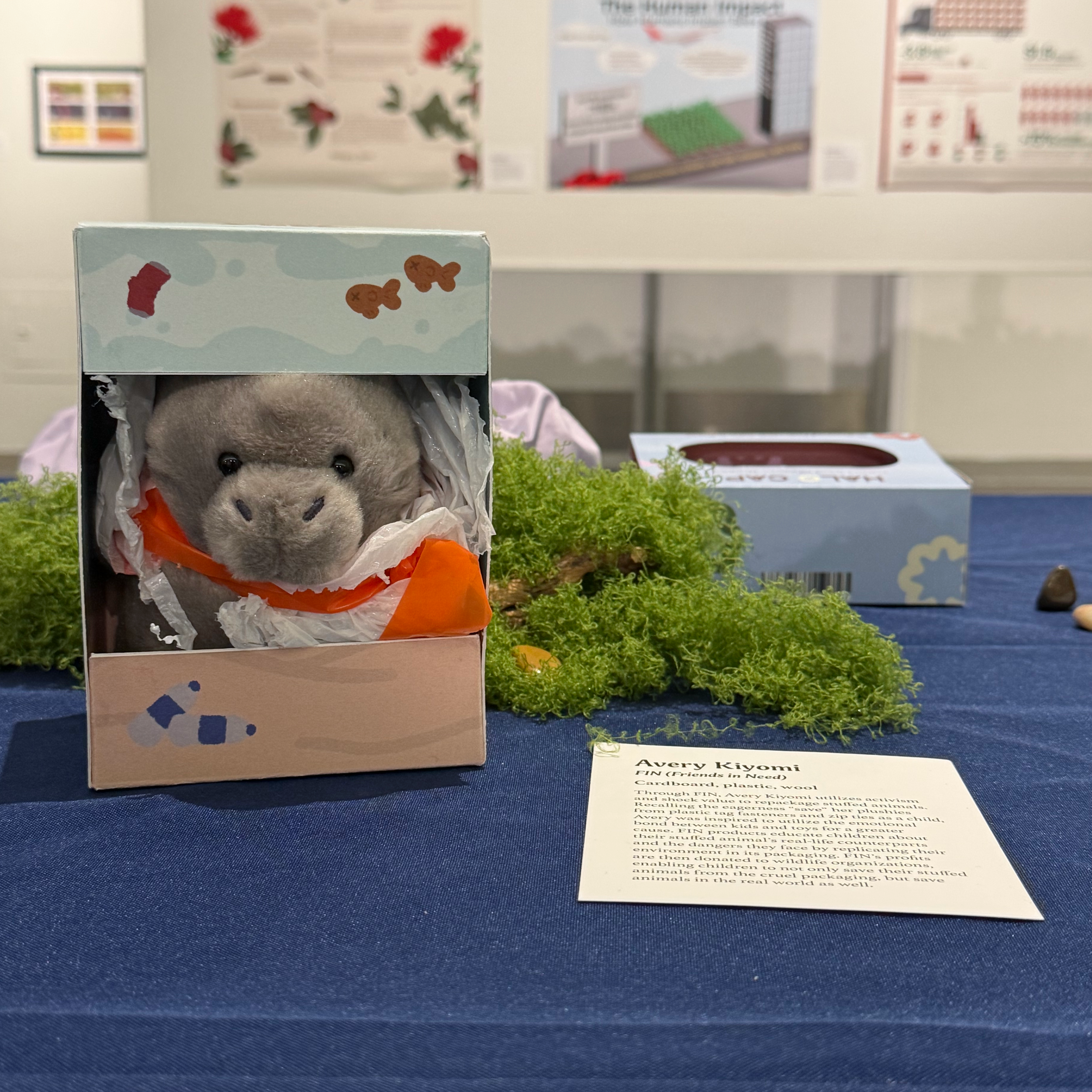
My main objective was to emanate the polluted environment the ocean animals in this collection might live in. I wanted the package to be surprising, but not intimidating or scary. These shocking aspects of the package are temporary. The trash bag wrapped around the manatee’s neck is fully removable. Once opened, the child is free to play with the toy normally.
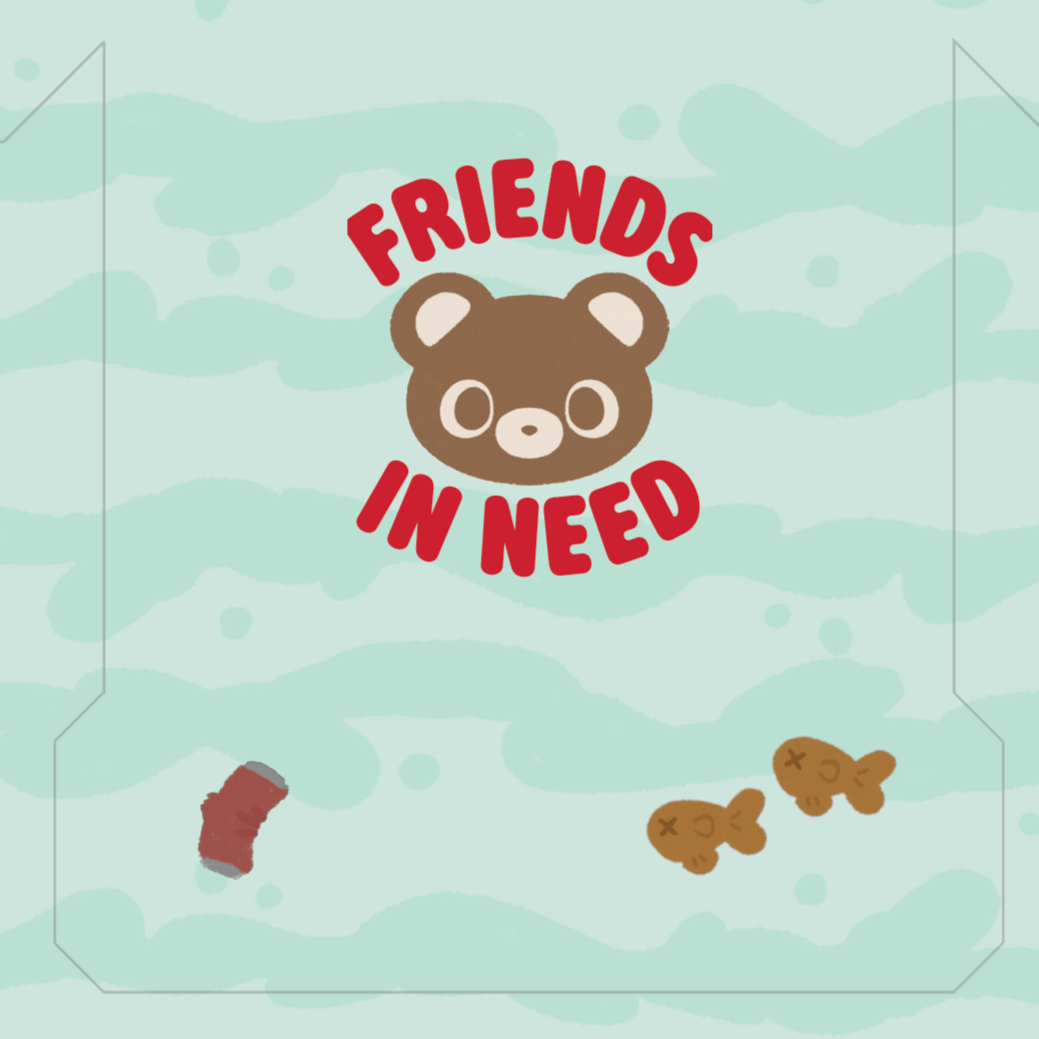
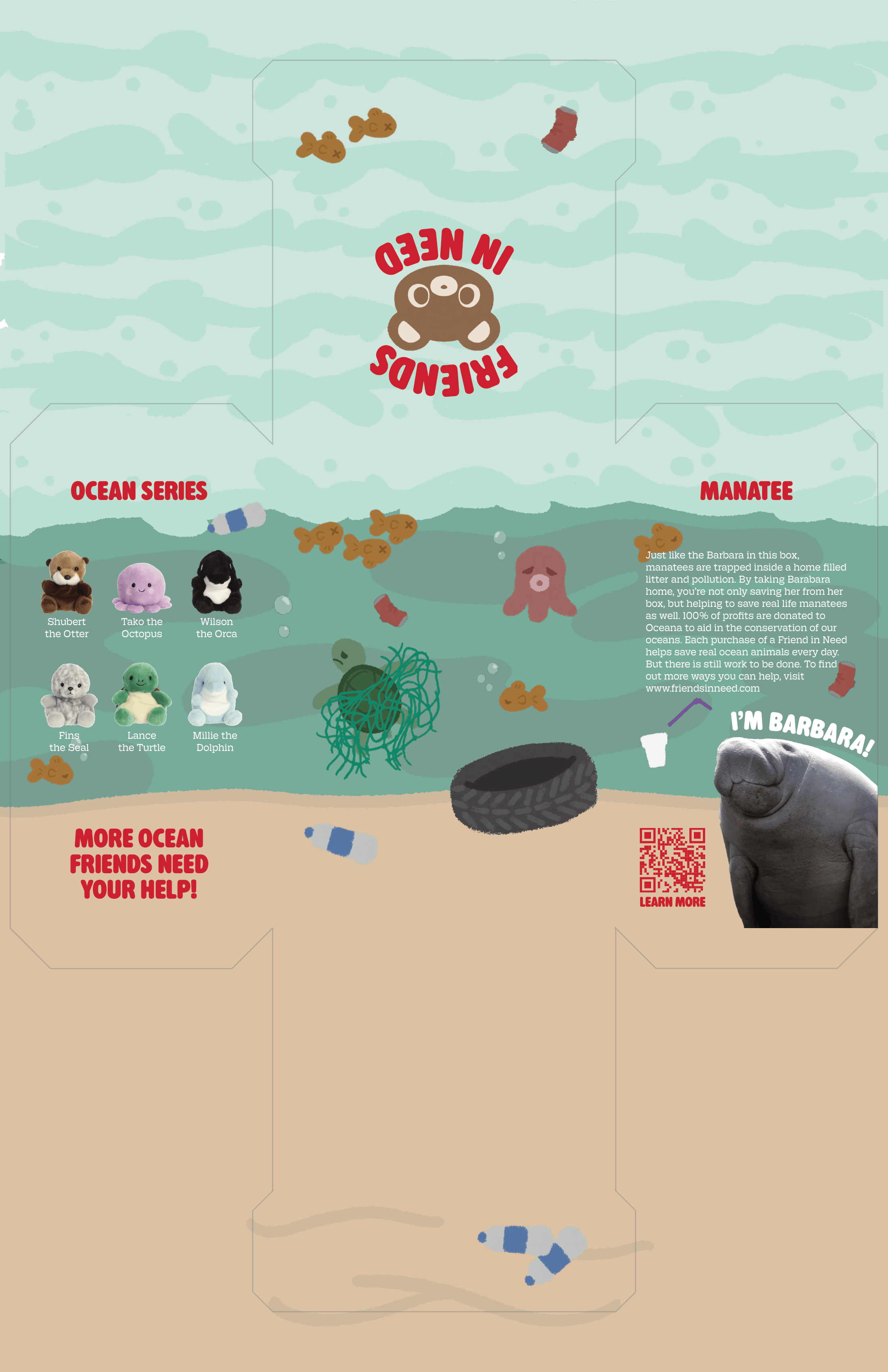
Top panel: A light green to represent sea foam, allowing the red in the logo to pop. Features some litter and dead fish.
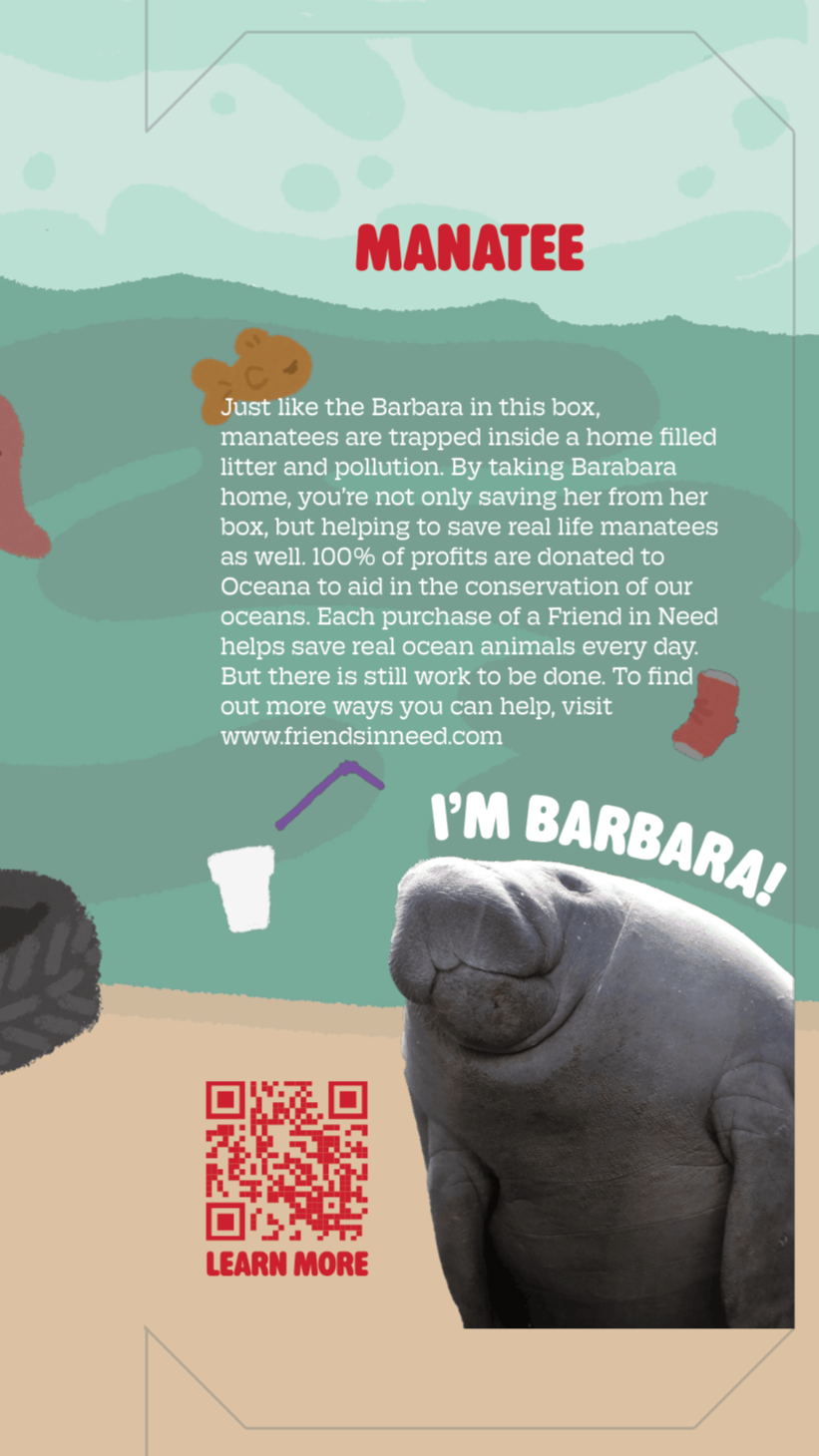
Left panel: Provides information about the species of the product, including an image of the animal. Also features a QR code so kids or parents can learn more about the cause.
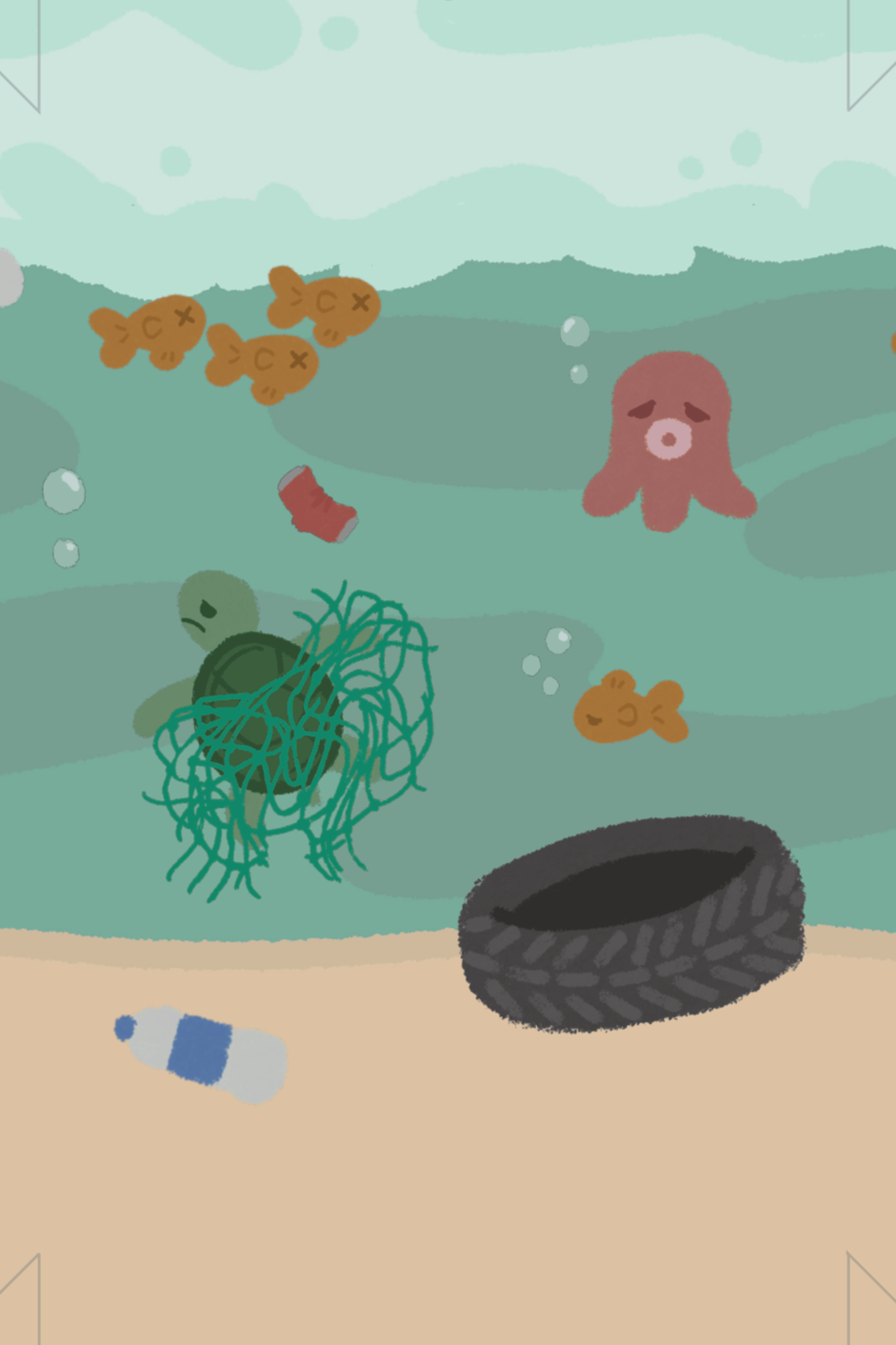
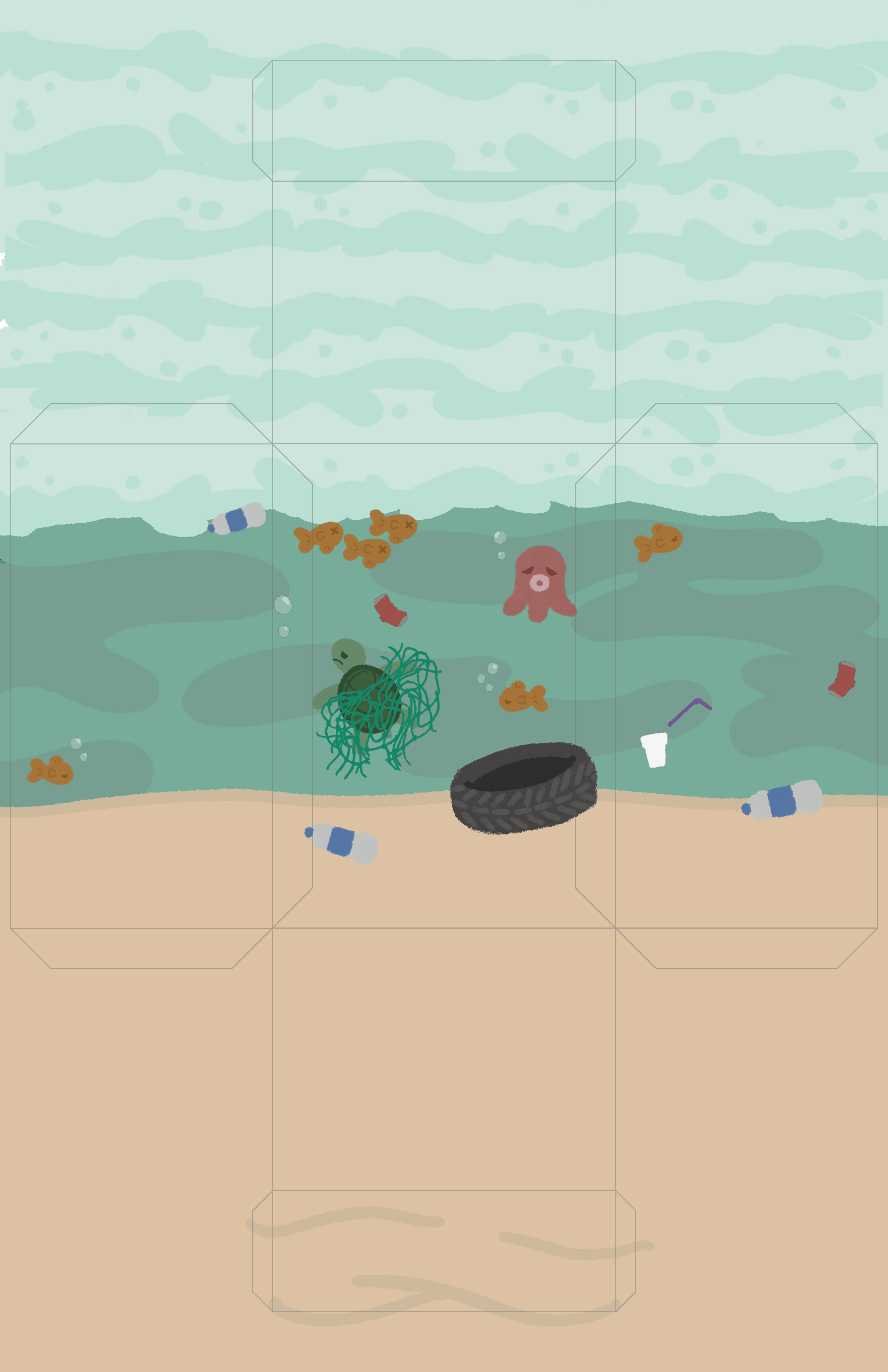
Back: An illustration showing sick animals swimming amongst polluted, greenish waters surrounded by litter and plastic.
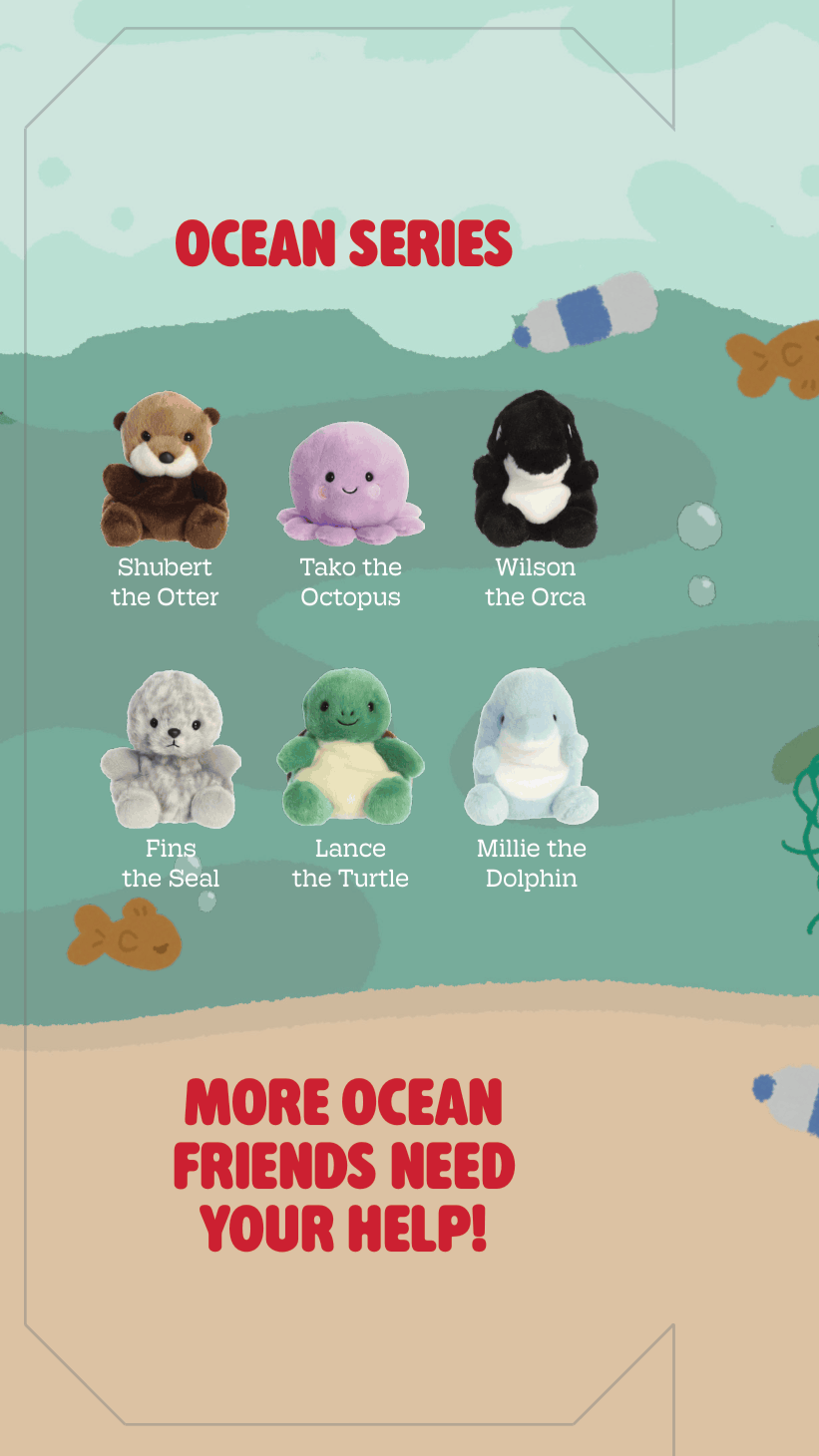
Right panel: showcases the other stuffed animals in the collection. I imagine FIN would have many collections, each featuring a different group of animals affected by a different environmental crises.
Branding
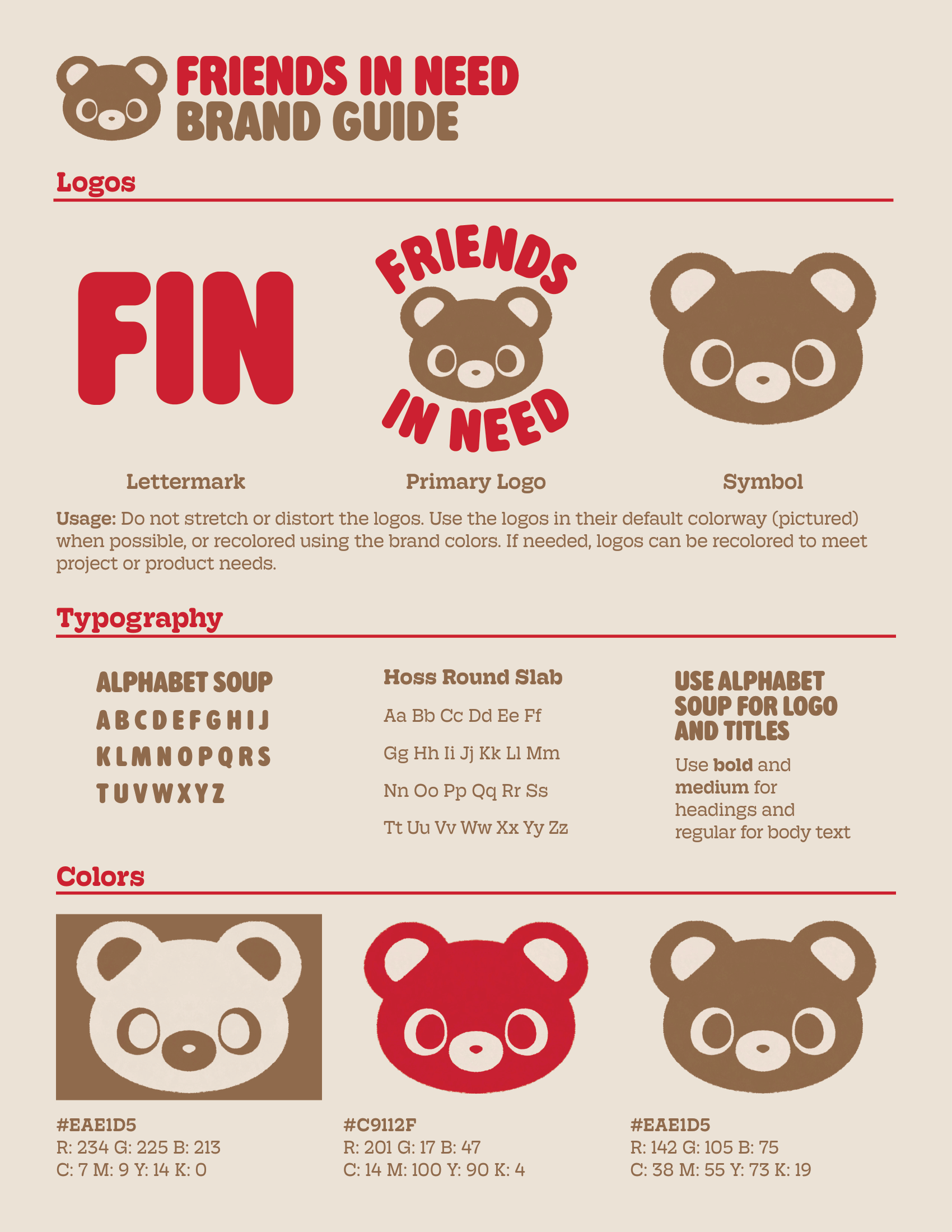
Similar to the package design, FIN’s branding needed to satisfy two objectives. It’s both a toy company and an activist organization. I chose a bear as the mascot as it’s a popular symbol and mascot for wildlife organizations, in addition to being the face of the most popular kind of stuffed animal, the teddy bear. The brand’s colors are brown and red. The brown is a warm, natural tone that captures the appealing friendliness of animals and the comfort of hugging a stuffed animal. The contrasting red is bold, used to represent the urgency of the crises these animals face. Simultaneously, when combined with the friendly, rounded typeface “Alphabet Soup,” the logos are easily identifiable as belonging to a toy company. Popular brands like Ty, Fish-Price, and Mattel use a bold red in their branding as well.