
Group Service Learning: The BiliPic System
Paper, cardboard
Bilimetrix USA was founded in 2012 by Richard Wennburg with the goal of providing low cost solutions to aid in the prevention of kernicterus in low resource countries, primarily Nigeria. As a part of Seattle University’s service learning project, I teamed up with my classmates Sierra Martinez and Drake Corrigan to put together a package design for Bilimetrix’s BiliPic System.
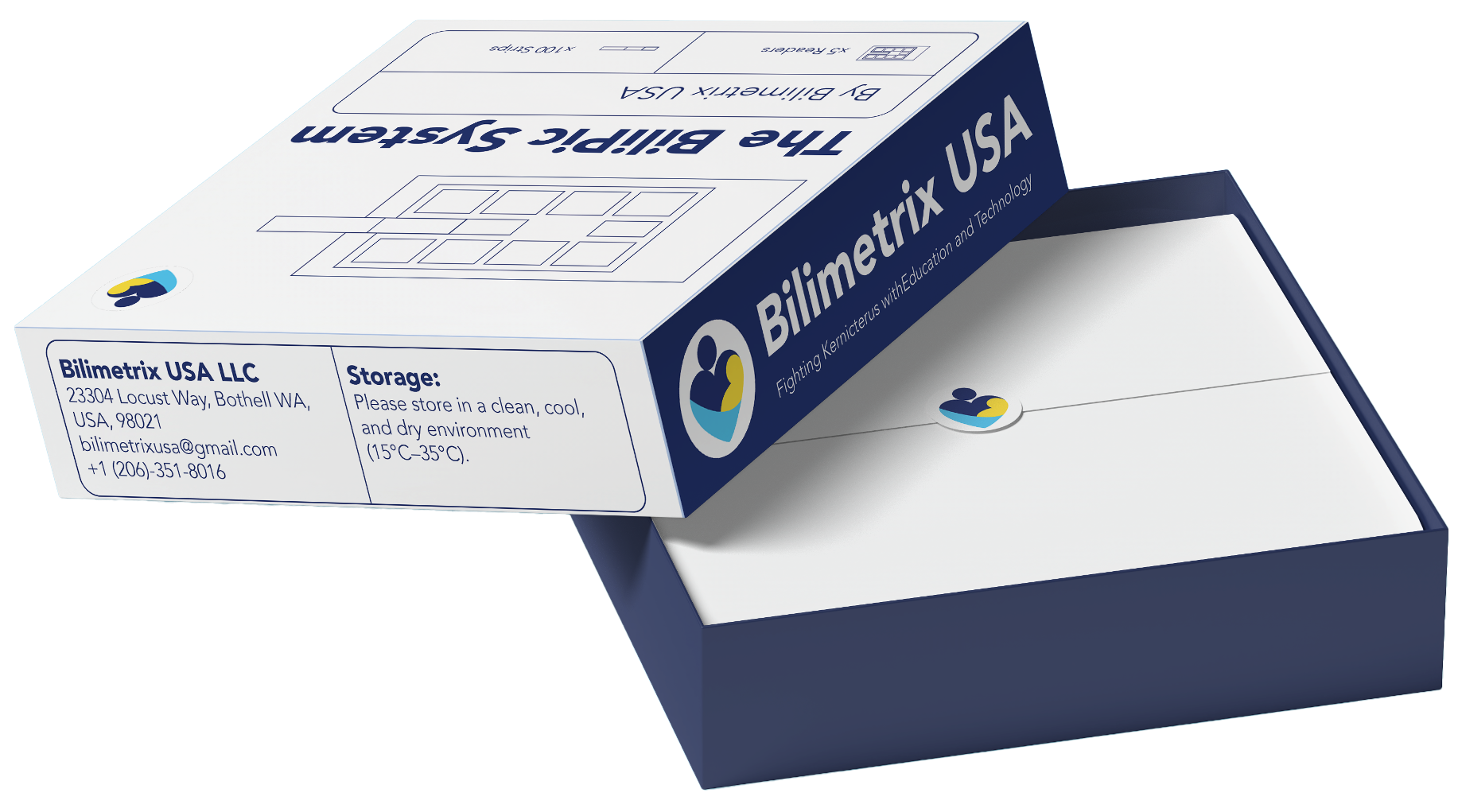
The Final Package
Our primary deliverable for this project was the outer packaging for The Bilipic System. We’re still missing some relevant information as Dr. Wennburg was still in the process of getting the product FDA approved, so we left space open for a future designer to input the necessary symbols and warnings once the product is fully developed. Inside this package will be not only The BiliPic System, but two user manuals we also developed. See the user manual template below.
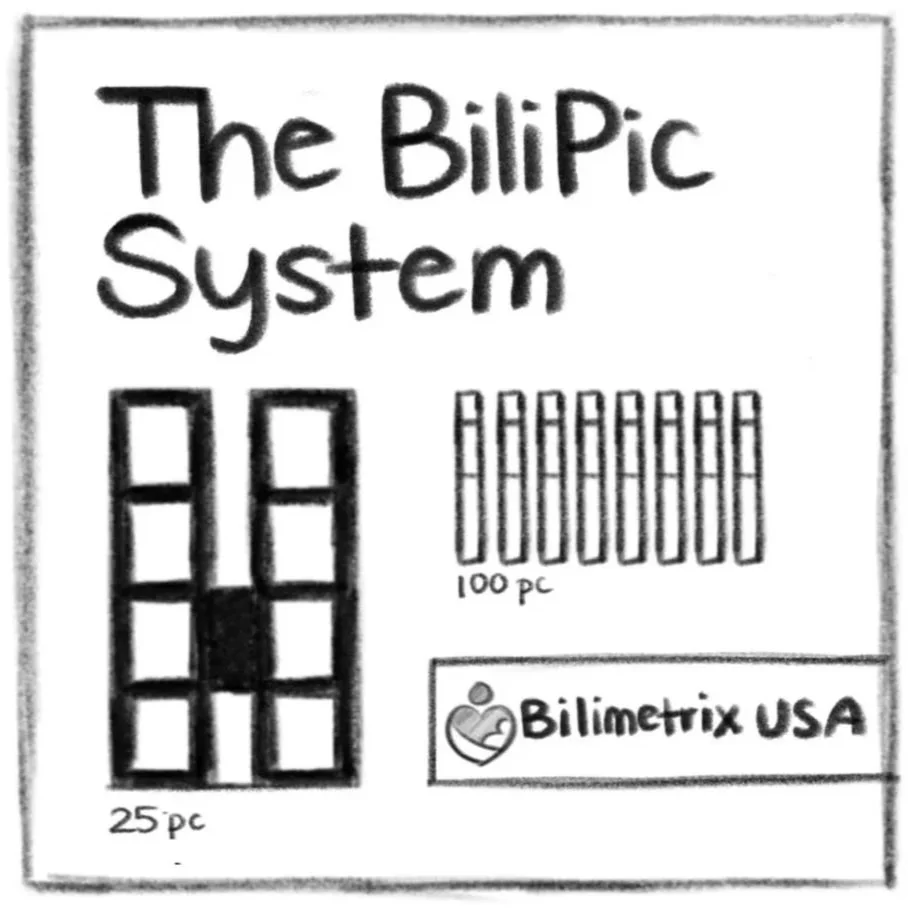
My original sketch
My Role
Our brainstorming process started collaboratively before we divided the work. We started by sketching our own ideas individually. After sharing these sketches with one another and discussing, I worked on a secondary sketch that combined a little bit of everyone’s ideas. This is the sketch Sierra Martinez, my group member who put together the final package mockup, based her design on. Once we had a cohesive idea of how to move forward, I began putting together the user manual template—my biggest contribution to this project.
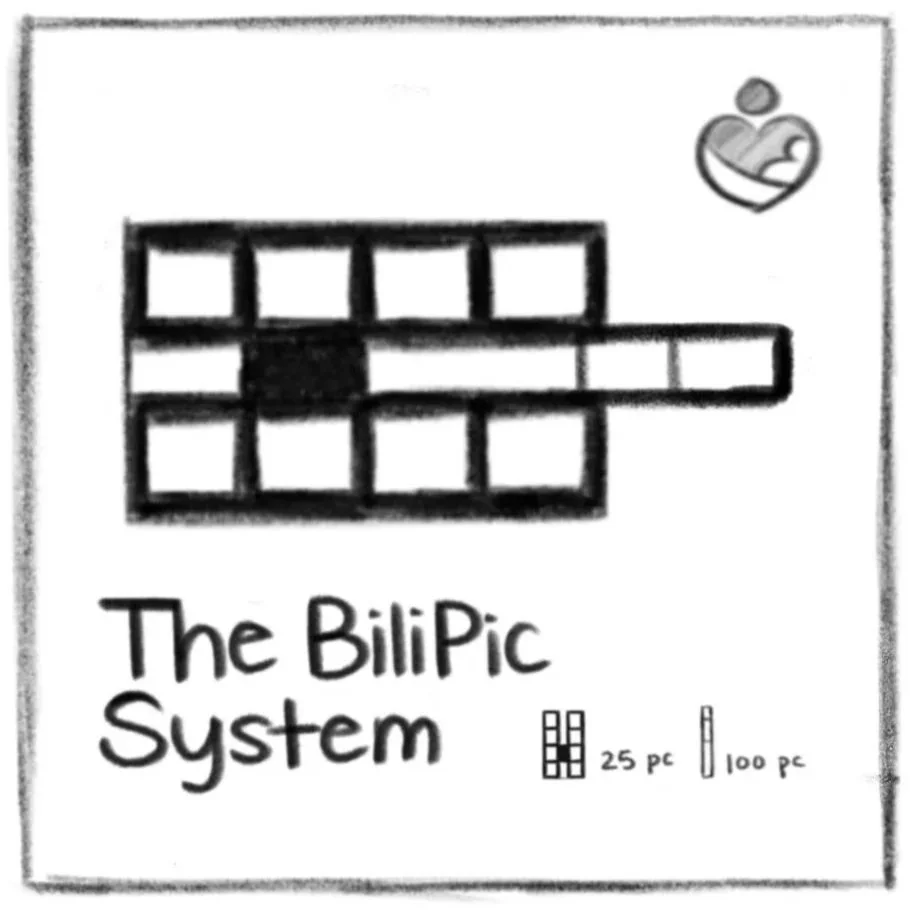
The revised sketch
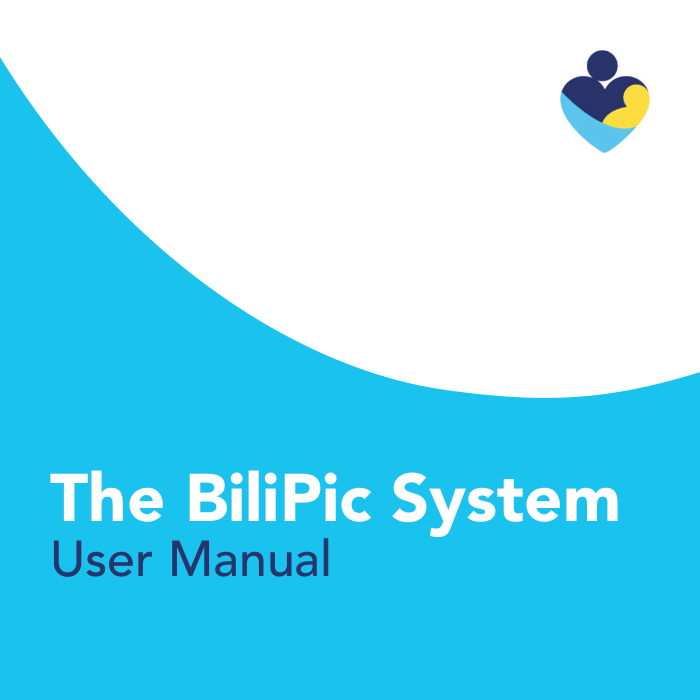
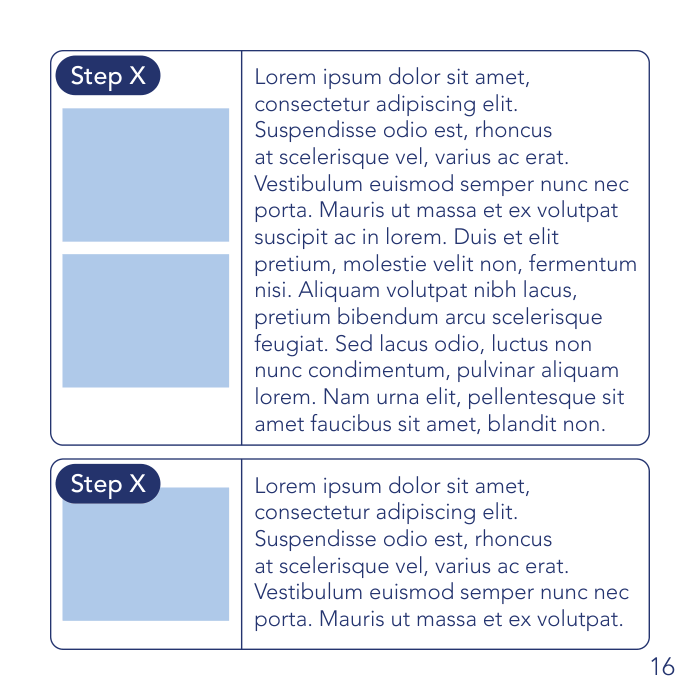
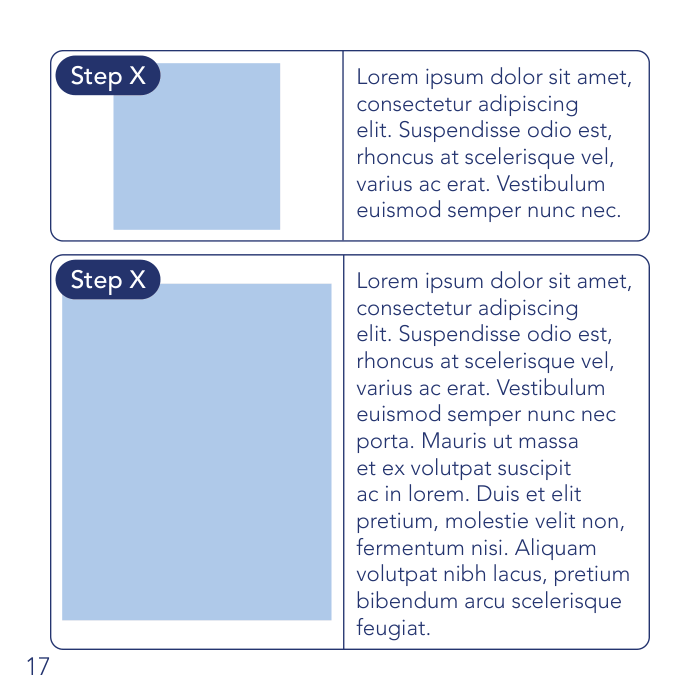
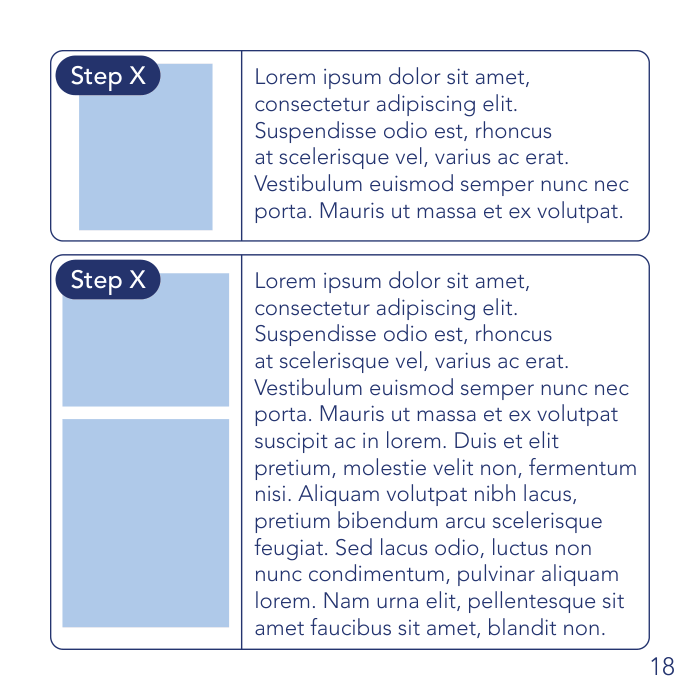
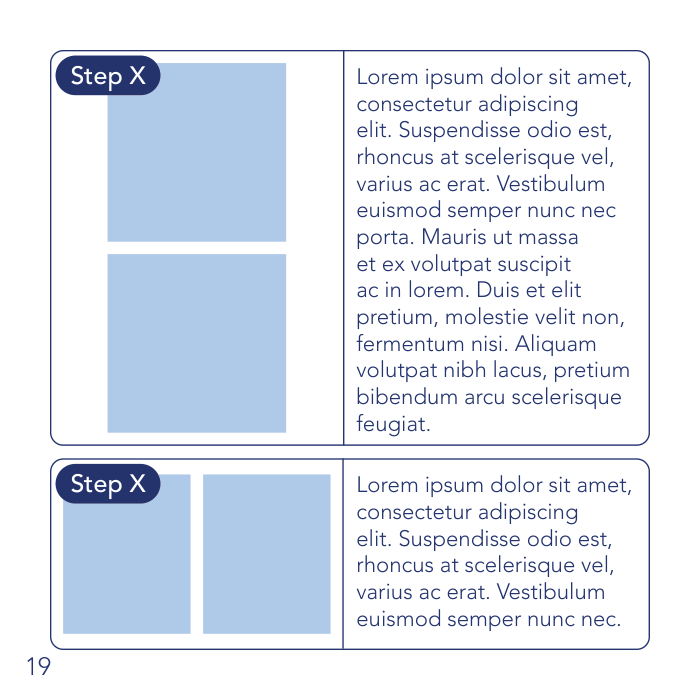
Click through the user manual template here!

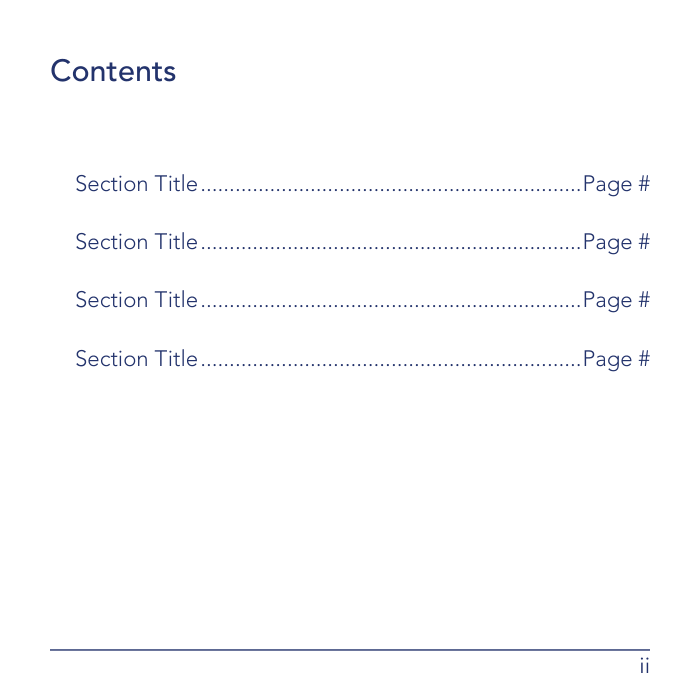
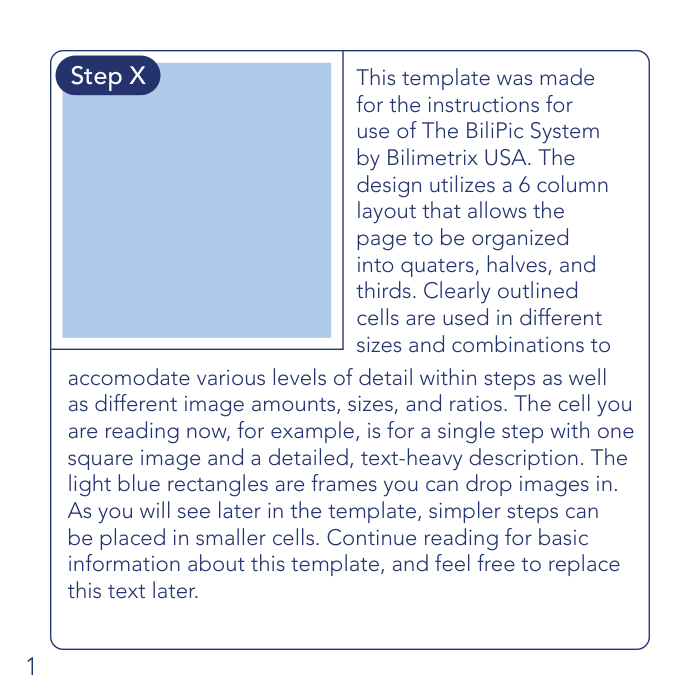
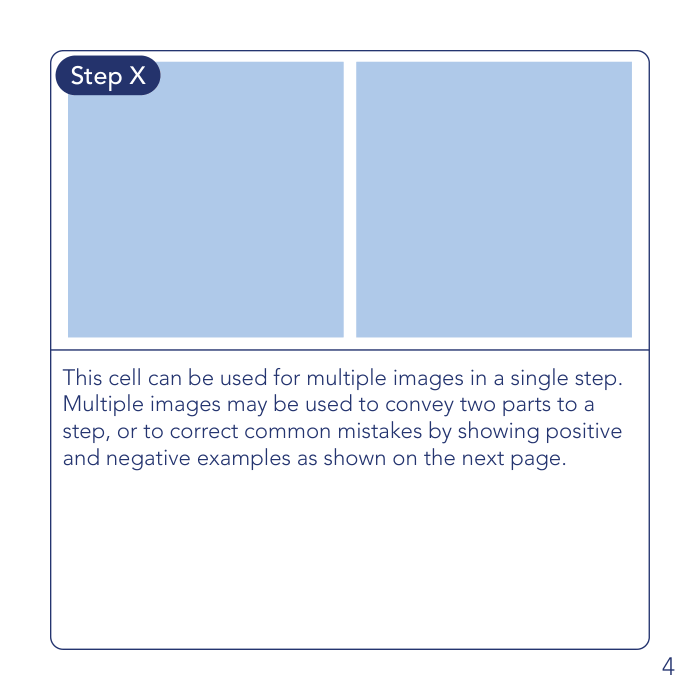
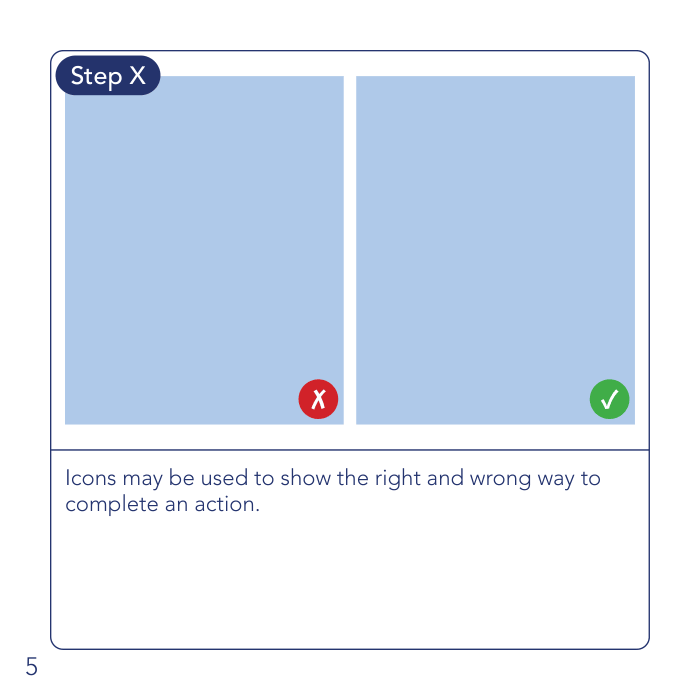
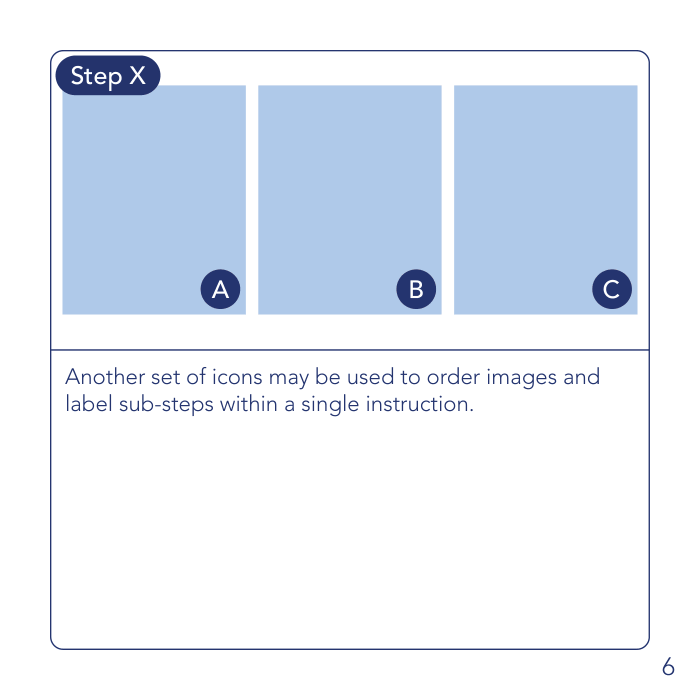
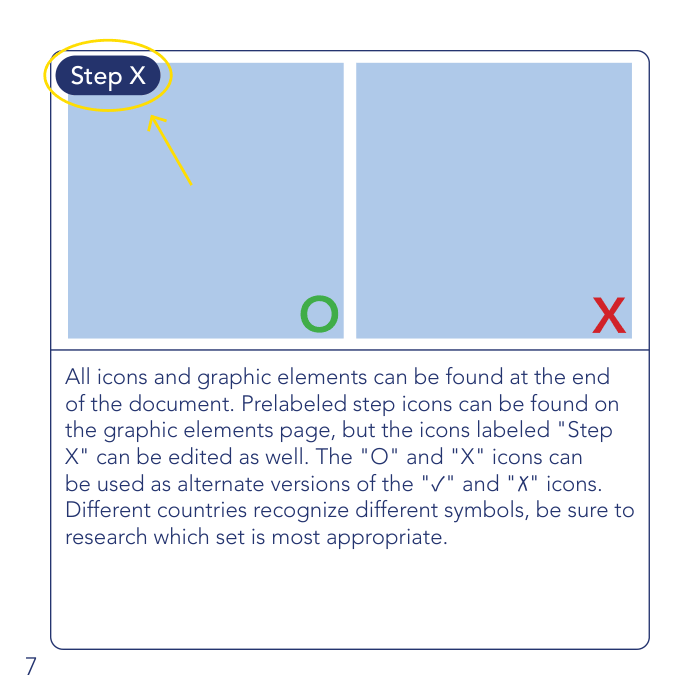
Instead of writing example instructions or only using lorem ipsum, I included an explanation and some basic guidelines for filling in the template.
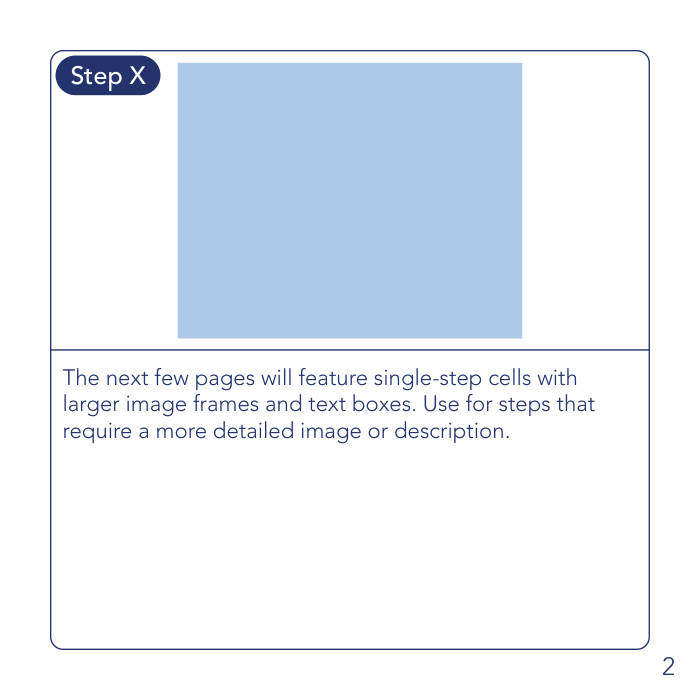
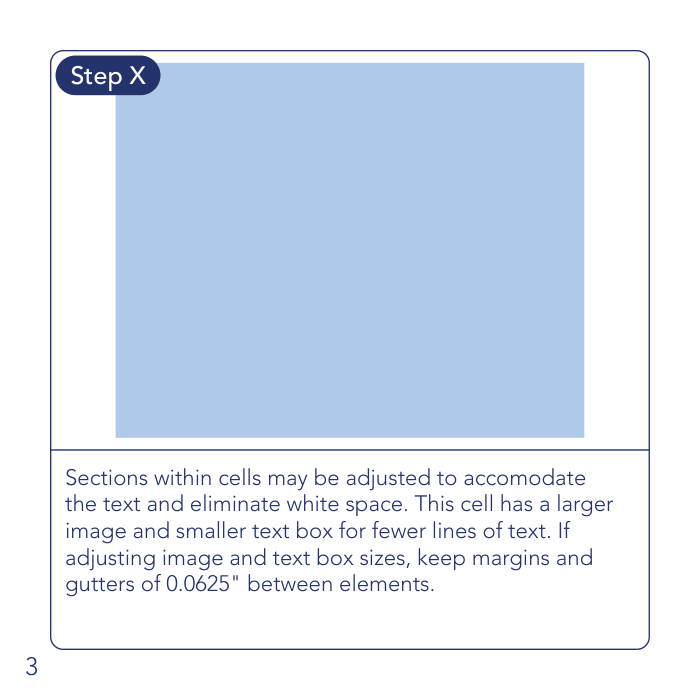
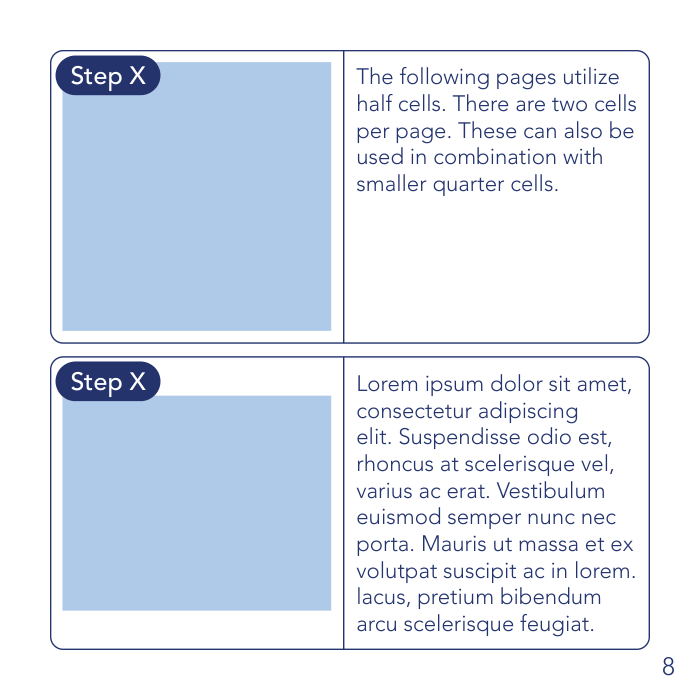
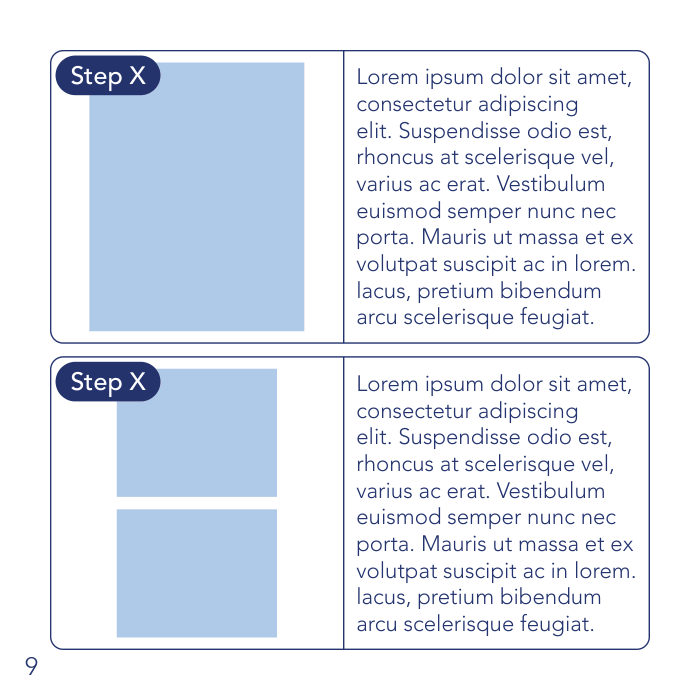
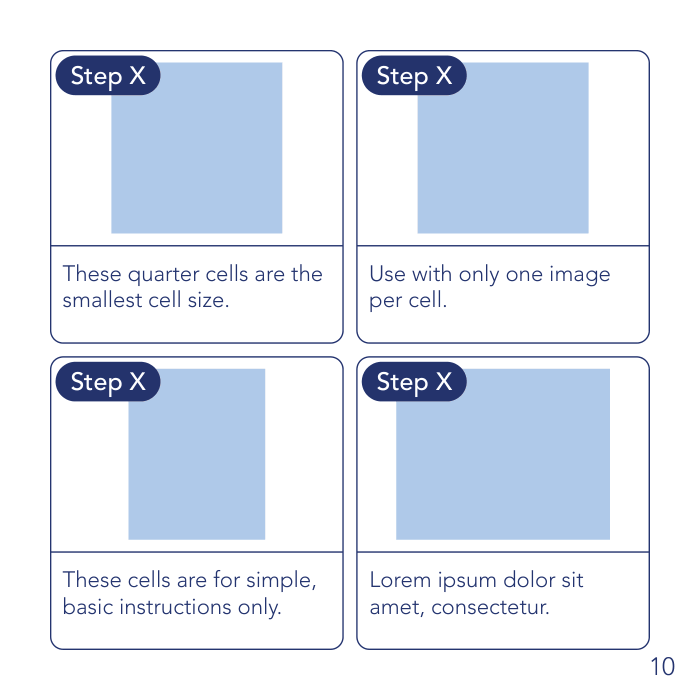
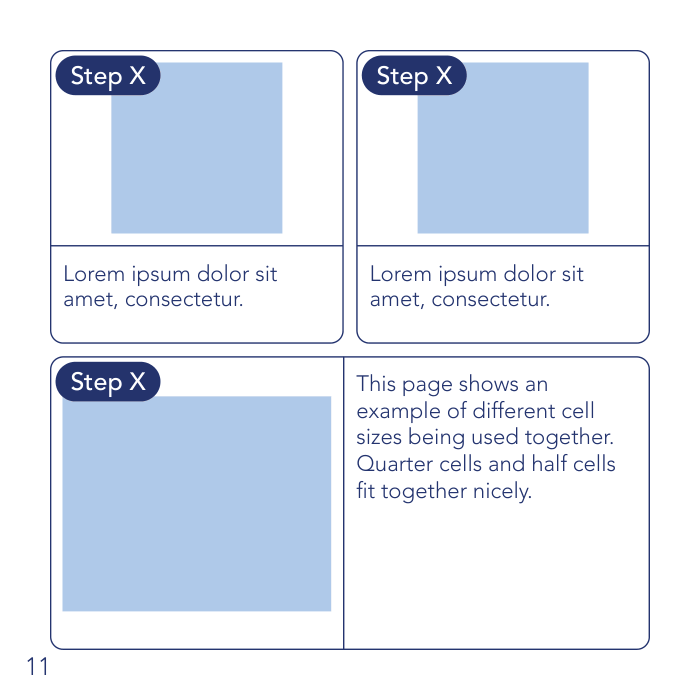
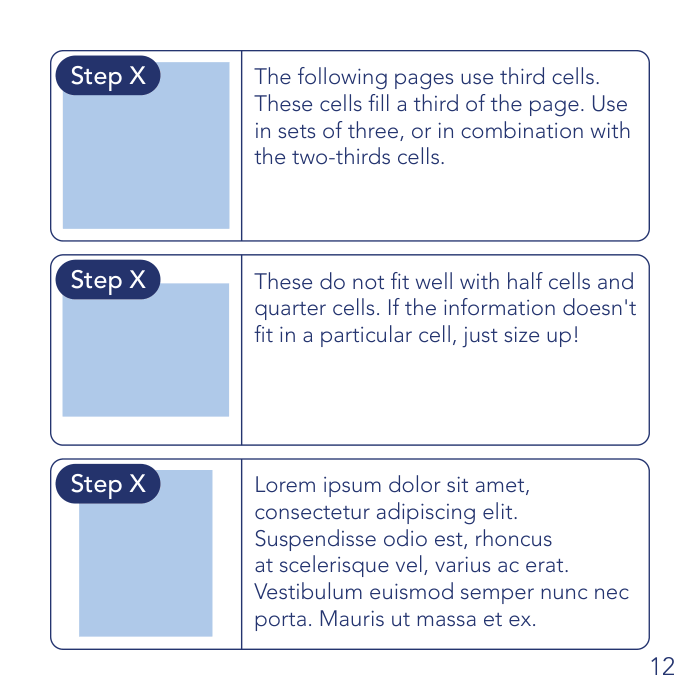
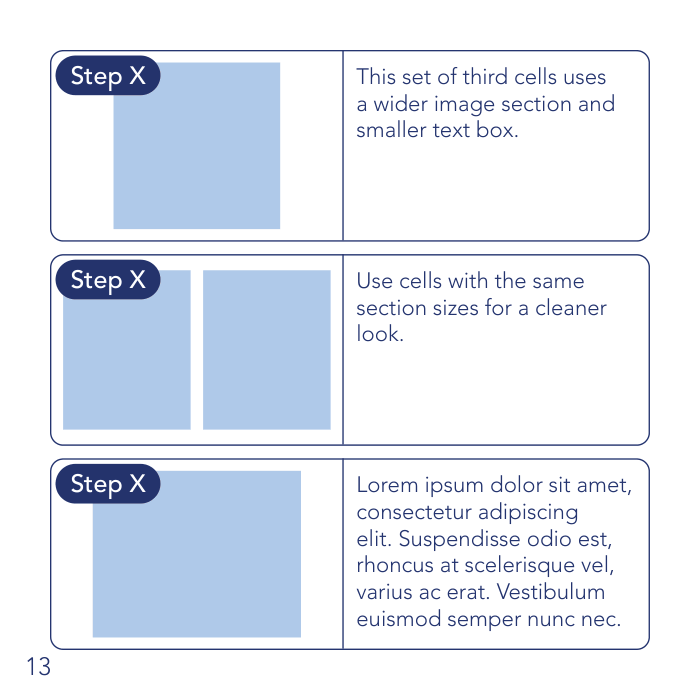
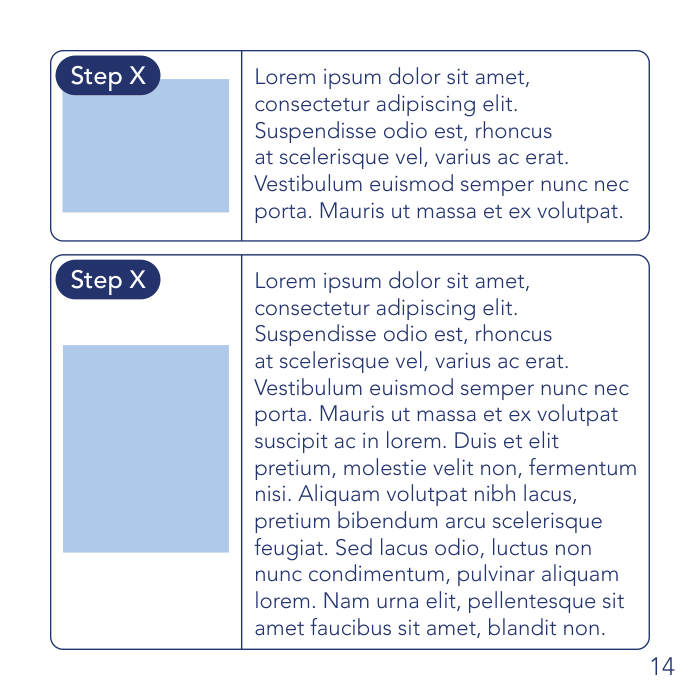
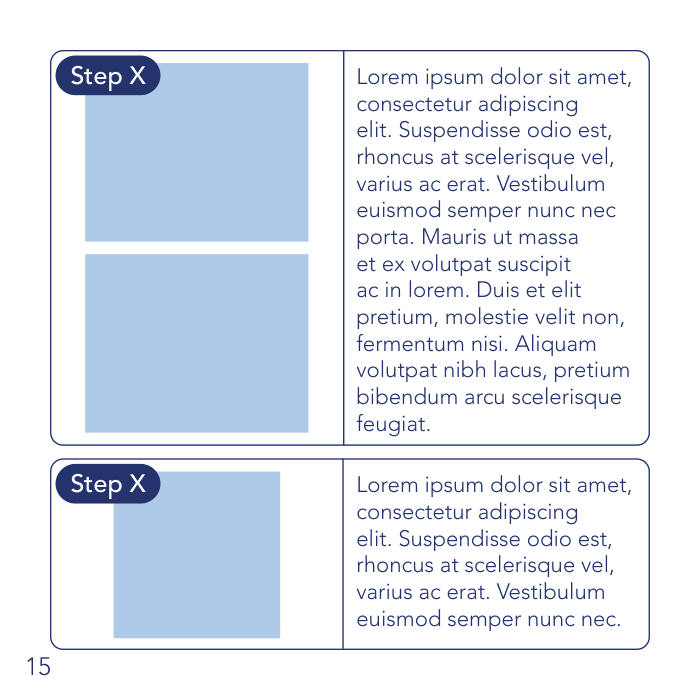

Process for the User Manual Template
During our first meeting with Dr. Wennburg, he presented us with an existing manual for a competitor’s product. He outlined two main issues with this manual: it was too long, and too complex. The Bilipic System’s manual needed to be digestible to everyday people. The test kit wasn’t going to be used only by medical professionals, but volunteers. Volunteers who might be unable to understand medical jargon. However, he also mentioned the thick, complicated manual included everything needed to achieve FDA approval—something The Bilipic System was still actively pursuing. This meant I didn’t have the actual instructions…but I still wanted to help Dr. Wennburg design something straightforward, organized, and easy to understand. Once The Bilipic System achieves FDA approval and the written instructions are finalized, a future designer can easily plug that information into the template.
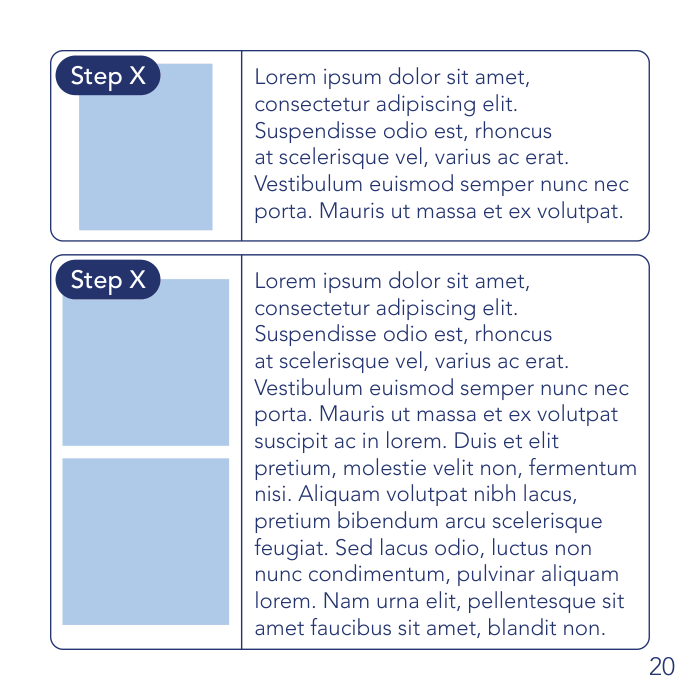
My idea was simple. I needed to create something that could accommodate varying amounts of information. As I examined the competitor’s manual, I noticed some steps used multiple photos, some only one. Some steps had lengthy explanations, while others only needed a single sentence. Each of these different combinations of photo and text would occupy different amounts of space on the page, so the layout needed to be flexible. I decided to use cells by dividing the square page into halves, quarters, or thirds. The cells are cleanly outlined and clearly labeled to eliminate confusion, but they still allow for easy reformatting. A nearly endless combination of layouts can be created.

Basic manual sketch